
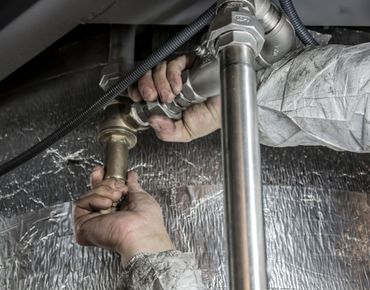
Simple Ways to Identify and Repair Kitchen Plumbing Leaks
Kitchen pipe leakage can waste water, damage cabinets and create dampness, bad odours or mould. Leaks commonly occur around sink connections, drain pipes, taps, flexible hoses and pipe joints.
Finding the source early and using the correct repair method can prevent serious plumbing damage.
Common Causes of Kitchen Pipe Leakage
Kitchen pipe leaks may occur because of:
- Loose pipe connections
- Damaged rubber washers
- Cracked drain pipes
- Worn-out tap cartridges
- Blocked sink drainage
- Corroded metal pipes
- Damaged flexible water hoses
- Poor sealing around pipe joints
1. Turn Off the Water Supply
Before starting any repair, close the water supply valve under the kitchen sink. If there is no separate valve, turn off the main water connection.
Open the tap after closing the valve to release the remaining water pressure.
2. Identify the Exact Leakage Point
Dry the pipes using a cloth and check each connection carefully. Place tissue paper around pipe joints to identify small leaks.
Common leakage areas include:
- Tap supply hoses
- Sink drain connection
- P-trap joints
- Pipe elbows
- Water purifier connections
- Dishwasher inlet and outlet pipes
3. Tighten Loose Pipe Connections
A loose nut or pipe joint may cause minor dripping. Tighten the connection gently using an adjustable wrench.
Avoid excessive force because plastic fittings can crack when overtightened.
4. Replace Damaged Washers
Rubber washers and sealing rings can become hard or damaged over time. Turn off the water supply, open the connection and replace the old washer with a suitable new washer.
Make sure the washer fits properly before reconnecting the pipe.
5. Apply Plumber’s Tape
Thread-seal tape, also called PTFE tape, can help seal threaded pipe connections.
Clean the thread and wrap the tape evenly in the direction of tightening. Reconnect the fitting and check whether the leakage has stopped.
6. Repair a Leaking Sink Drain
Leakage under the sink may come from the drain basket, waste pipe or P-trap.
Check whether the drain nuts are loose. Clean the joints and replace damaged rubber seals. If the pipe is cracked, replacing the damaged section is usually better than applying a temporary patch.
7. Check Flexible Water Hoses
Flexible hoses connect the tap, water purifier or dishwasher to the water supply. Cracks, bulges or rust around the hose indicate that replacement is required.
Do not continue using a damaged hose because it may burst suddenly.
8. Clear Blocked Drain Pipes
A blocked pipe can increase pressure and cause leakage from weak joints. Use a sink plunger or drain-cleaning tool to remove the blockage.
Avoid using excessive chemical drain cleaner because it may damage old pipes and seals.
9. Use Epoxy Putty for Temporary Repair
Epoxy putty may provide temporary sealing for a small crack. Clean and dry the pipe before applying the material.
This should not be treated as a permanent solution. A cracked pipe should be replaced by a plumber.
10. Test the Repair
After completing the repair, slowly turn on the water supply. Check the repaired area while running the tap.
Keep the area dry and observe it for several minutes to confirm that no water is leaking.
When Should You Call a Plumber?
Professional plumbing assistance may be required when:
- The pipe has a large crack
- Leakage is inside the wall
- Water is entering electrical points
- The same joint leaks repeatedly
- The main water pipeline is damaged
- There is heavy corrosion
- The kitchen drain frequently overflows
- Water pressure suddenly decreases
Turn off the water and electricity near the affected area when leakage is close to electrical wiring or appliances.
Tips to Prevent Kitchen Pipe Leakage
Regular inspection can reduce future plumbing problems.
- Check sink pipes every few months
- Replace old flexible hoses
- Avoid overtightening plastic fittings
- Keep the drain free from oil and food waste
- Repair dripping taps early
- Use good-quality pipe fittings
- Keep the area under the sink clean and dry
- Contact a plumber when corrosion appears
Conclusion
Kitchen pipe leakage should be repaired as soon as possible to prevent water waste, cabinet damage and dampness. Loose joints, damaged washers and minor sealing problems may be repaired with basic tools. Cracked pipes, hidden leaks and repeated plumbing issues require professional inspection.
Frequently Asked Questions
Why is water leaking under my kitchen sink?
The leak may come from a loose drain connection, damaged washer, cracked pipe or leaking supply hose.
Can plumber’s tape stop pipe leakage?
Plumber’s tape can help seal threaded connections, but it cannot permanently repair a cracked pipe.
How can I find a small pipe leak?
Dry the pipe and wrap tissue paper around each connection. The wet area will help identify the leakage point.
Should a cracked kitchen pipe be repaired or replaced?
Small cracks may be temporarily sealed, but replacing the damaged pipe is the safer long-term solution.
How can I prevent kitchen drain leakage?
Keep food waste and oil out of the drain, inspect pipe joints regularly and replace damaged seals promptly.
we denounce with righteous indignation and dislike men who are so beguiled and demoralized by the charms of pleasure of the moment.
Denounce with righteous indignation and dislike men who are so beguiled and demoralized by the charms of pleasure of the moment.